Types of motors in hydraulic power plants: submerged motors and dry motors

GMV uses two types of motors in its plants depending on the characteristics and needs of each installation.

Submerged motors
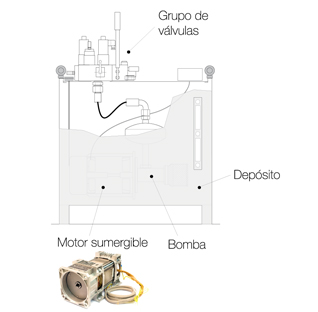
Submerged motors are three-phase squirrel-cage asynchronous motors, and are located inside the oil tank. It is essential that the entire surface of the motor is covered with oil because the motor dissipates heat through it. The motor is cooled by oil very well, but sometimes, when the volume of oil in the plant is not adequate, the oil can overheat, affecting the general operation of the installation. On the other hand, high-traffic installations usually require a cooler to keep the oil temperature constant, thus avoiding overheating due to high oil use.

Dry motors (external)

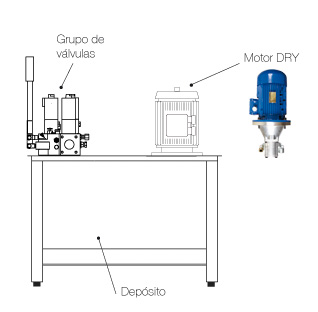
Dry motors, like submerged motors, are three-phase asynchronous squirrel-cage motors, but because they are located outside the tank, coupled to the cover of the central unit, they have a different configuration. These motors are provided with a casing that protects the motor and allows the motor to be cooled by air. The casing has a series of holes that increase the contact surface of the casing with the air, producing good heat dissipation with the air. The motor does not transmit heat to the oil, so there is no excessive heating of the oil. On the other hand, because air offers less friction than oil, Dry motors have fewer mechanical losses, considerably reducing consumption. At GMV we recommend the use of DRY motors in central units with little oil volume and little traffic such as the HL (central unit for single-family installations).

Related posts:

Related
Categories

Leave a Reply

Your email address will not be published. Required fields are marked with *