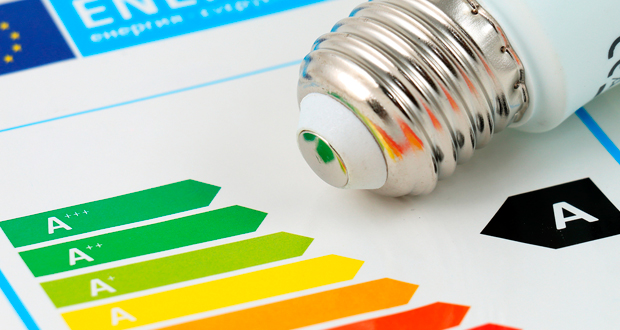
Various measures have been proposed to improve energy efficiency, including measures related to the energy efficiency of buildings.
Improving the energy efficiency of buildings
Energy consumption in residential and commercial buildings accounts for approximately 40% of total final energy consumption and 36% of total CO2 emissions in the European Union.
In the lifting sector, energy-efficient products are beginning to be marketed. In the field of hydraulic lifts, for example, hydraulic components are already being manufactured that are environmentally friendly (ecological fluid), or that significantly reduce energy consumption ( NGV electronic valve group ) and that lead to a considerable reduction in the total final energy consumed in a building.
The European Commission proposes to remove the 1000 m² threshold for existing buildings in the event of major renovation, and to apply energy efficiency requirements to a larger number of buildings.
Areas of application
Directive 2002/91/EC (of the European Parliament and of the Council of 16 December 2002 on the energy performance of buildings) covers the residential and tertiary sectors (offices, public buildings, etc.). However, some buildings are excluded from the scope of the certification provisions, for example historic buildings, industrial buildings, etc. It covers all aspects related to the energy performance of buildings in order to adopt a truly integrated approach.
The Directive does not provide for measures targeting non-installed equipment, such as household appliances. Measures relating to labelling and mandatory minimum performance have already been implemented or are being considered within the framework of the action plan for energy efficiency.
Sources: The European Union Portal , The European Commission
Related Post: Electronic technology applied to hydraulic lifts


6 Responses
If you need more information about the Energy Efficiency Certificate
You can visit the website: http://www.giop.es/certificado-energetico/ that is where I requested my certificate.