Scroll chart: what it is, how it works and types of classification
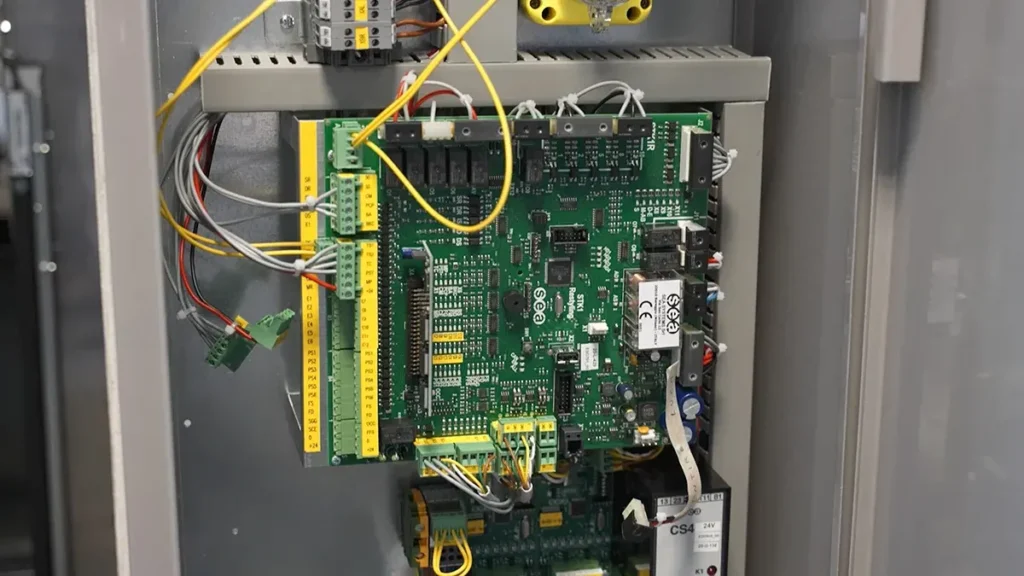
The control panel is the element that controls all the actions performed by the elevator: door opening, movements, operating states, speeds, etc. You could say that it is the brain of the installation.
Principles of hydrodynamics in hydraulic elevators: Bernoulli and Torricelli

Hydromechanics is the branch of physics that deals with the forces acting on fluids (liquids and gases). Hydromechanics is divided into hydrodynamics, which studies fluids in motion; and hydrostatics, which studies fluids at rest.
Pit: characteristics and requirements
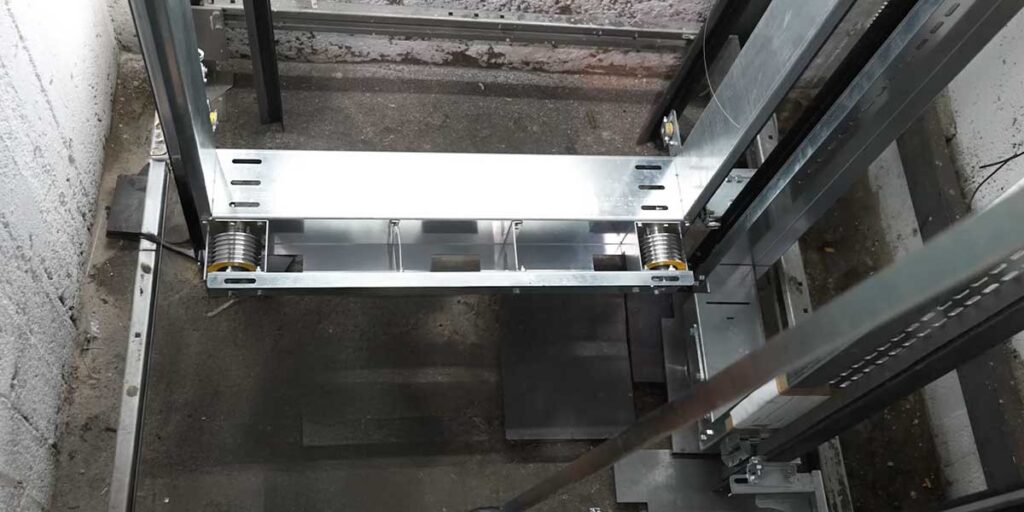
The lower part of the enclosure, below the level of the last stop, is called the pit. The floor must be smooth and substantially level.
What is a Soft-starter starter, characteristics and comparison
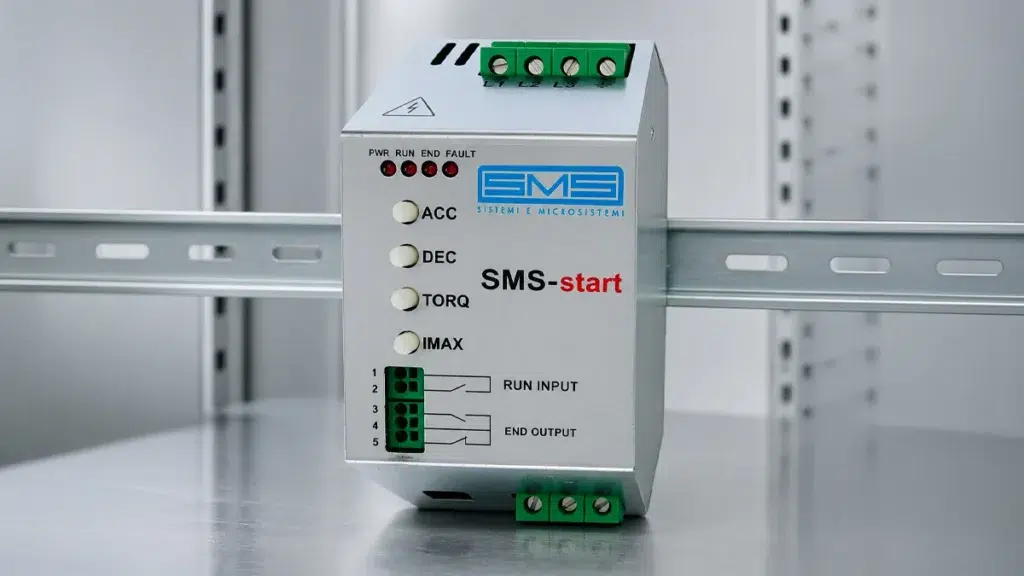
The Soft-Starter start is based on its ease of control, to produce soft starts according to the needs of the elevator.
Direct start and star-triangle: what it is, how it works and differences
The connection of the motors used to operate elevators, hoists, lifts, etc., which are the ones that do the “hard work” in the installation, produce unnecessary intensity peaks on a daily basis.
The hydraulic system: the basic idea
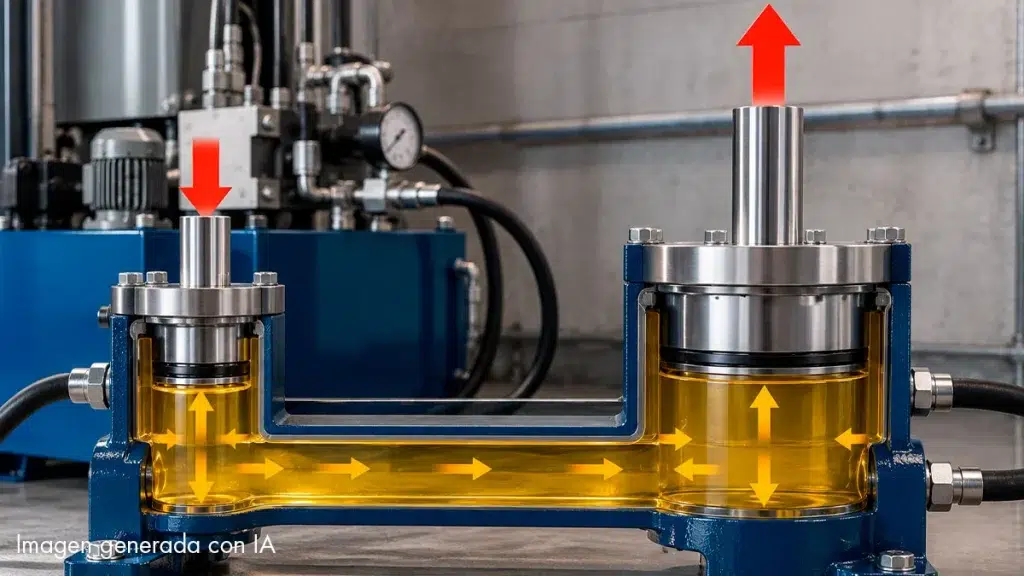
The basic idea of any hydraulic system is very simple: the pressure applied at a given point is transmitted with the same intensity to each point within it by means of an incompressible fluid (for example oil or water).
Components of a hydraulic elevator: What they are and what they are for
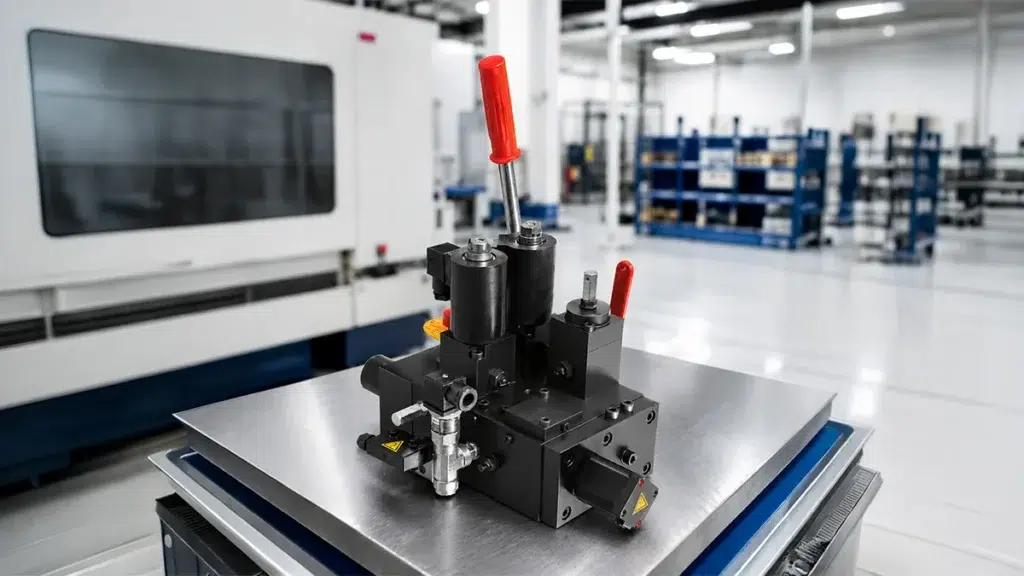
Article updated: 02-07-2026 Summary: A hydraulic elevator consists of a hydraulic power plant (motor, pump, tank and valve group), conduits, piston, operating panel, technical cabinet, chassis, cab, guides and doors. The power plant can be submerged (silent and the most common in homes) or with an external DRY engine (up to 20% energy saving and […]