Article 8 of the new ITC for elevators: Measures to increase safety derived from previous legislation.

In the dynamic world of lifting, safety and regulatory compliance are essential. The recent approval of Royal Decree 57/2005 and the new ITC for lifts have made clear the need to incorporate measures that guarantee the protection of users and optimise the operation of lifting systems. What measures are necessary to ensure that […]
New ITC for elevators 2024

What is the Complementary Technical Inspection of elevators? The objective of the ITC regulations for elevators (Complementary Technical Inspection) is to improve the safety of elevators installed in Spain and of those who use them. Approximately 50% of the installed elevators are around 20 years old, so they need a regular inspection.
Standard dimensions of an elevator shaft: single-family residential building
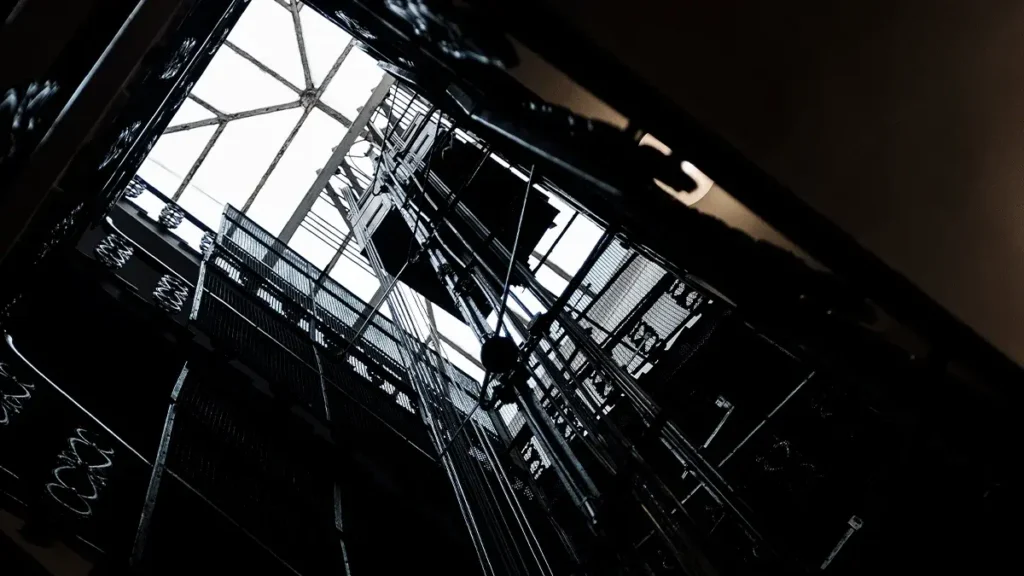
Updated article: 30-07-2026 Summary: An elevator fits according to four measurements (width, bottom, pit and escape) regulated by UNE-EN 81-20/81-50 and CTE DB-SUA, which requires an accessible type 1 cabin of minimum 1000 × 1250 mm, which requires a gap of about 1400 × 1600 mm in new construction. In residential buildings, […]
Differences between an electric and hydraulic elevator

Article updated: 8-09-2026 Summary: The electric elevator operates by traction, with a motor, pulley, steel cables and counterweight (with or without a machine room, MRL), and reaches speeds of 1 to more than 2.5 m/s for high-rise buildings, while the hydraulic elevator pushes a piston with oil pressure, working at 0.63-1 m/s […]
Is it mandatory to install an elevator in a community of neighbors?

Article updated: 02-09-2026 Summary: Installing an elevator in a community is mandatory without voting (art. 10.1.b LPH) when requested by an owner or resident with a disability, or over 70 years of age, provided that the work is viable and the annual cost incurred does not exceed 12 ordinary monthly payments of common expenses, discounting subsidies. If […]
Interview with firefighters: “There are few ways out of hydraulic fires and they are easier to solve”

We are assisted by Xavier Torrent, head of the Sant Andreu Fire Station of the Barcelona Fire Department and a long-standing leader in the corps in terms of elevator rescue, and David Zapater, current coordinator of technical assistance and foreman of the same station.
Basic conditions of accessibility and non-discrimination for access to urbanized public spaces

Article updated: 14-09-2026 Summary: An accessible elevator in public space is the piece that keeps the pedestrian route continuous, and must comply with RDL 1/2013, DB-SUA 9 and UNE-EN 81-70:2022, with leveling at a stop of ±10 mm, maximum strike of 35 mm, 1 m free passage doors and minimum cabin of […]
Safety of hydraulic lifts (I)
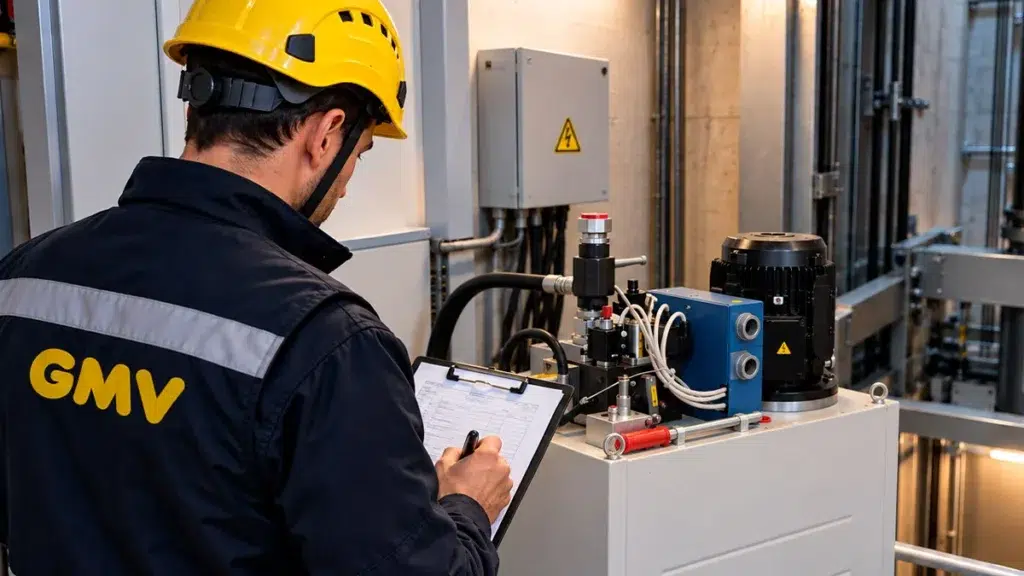
Updated article: 14-10-2026 Summary: Hydraulic elevators are among the most reliable lifting systems because they have no traction cables or counterweight, and concentrate heavy loads in the pit, reducing installation risks at height and allowing maintenance at ground level. In the event of a power outage or fire […]
Steel cables in elevators: what they are, function and parts

Steel cables are used in differential traction installations and are sized to support the weight of the cabin and chassis.
Differences between conventional pistons and telescopic pistons
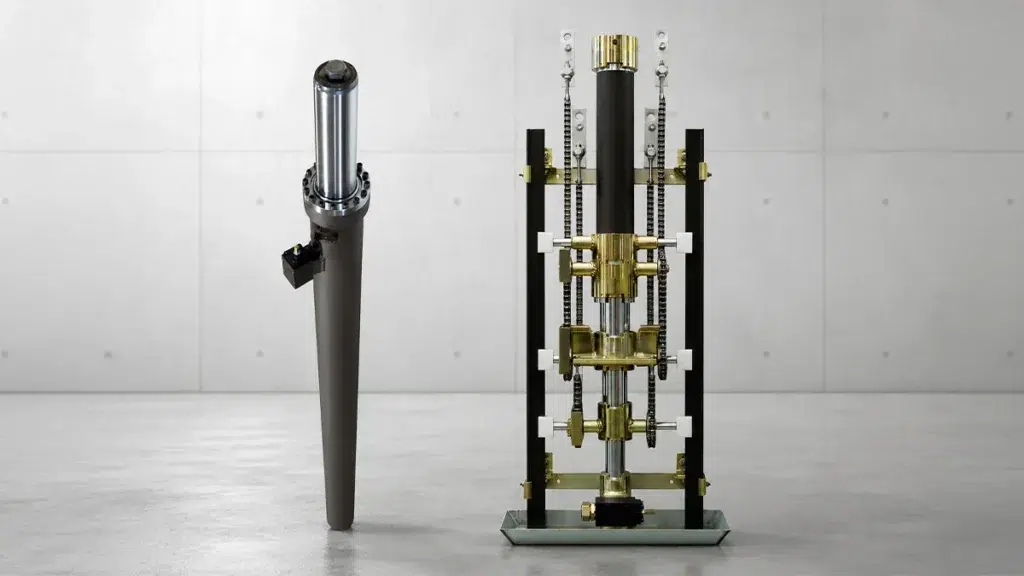
Pistons, also known as cylinders, are basically divided into two categories: conventional (characterized by being single-stage) and telescopic (which have 2 to 4 stages).