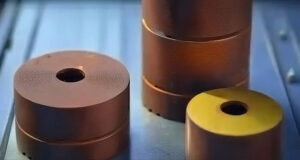
Shock absorbers (II): types, location in an elevator
According to EN 81.1, there are three types of shock absorbers: energy storage, energy storage with return motion damping, and energy dissipation.
According to EN 81.1, there are three types of shock absorbers: energy storage, energy storage with return motion damping, and energy dissipation.
What are they?
Shock absorbers (buffers in English) are an organ designed to serve as a deformable end-of-travel stop and consist of a fluid or spring braking system (or other equivalent device).

The shaft is the space exclusively intended for the movement of the elevator and the counterweight (if it is electric), but it cannot be used for any other installation other than the elevator.
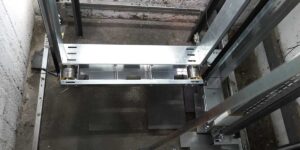
The lower part of the enclosure, below the level of the last stop, is called the pit. The floor must be smooth and substantially level.
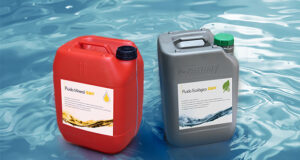
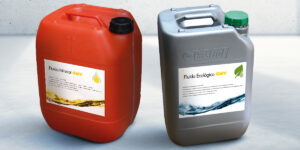
Due to the growing interest in the environment and new legislation, biodegradable fluids are becoming increasingly important in the lifting sector. They can be classified into 3 categories according to their base.
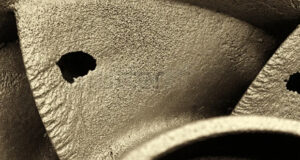
The phenomenon of cavitation occurs when the fluid has difficulty entering (sucking) the pump suction duct, causing the pressure in this duct to drop. If the pressure is lower than the vapor pressure of the fluid itself, this will lead to the formation of bubbles.
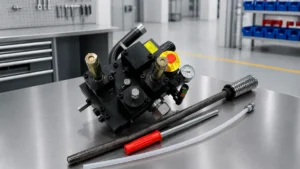
The connection of the motors used to operate elevators, hoists, lifts, etc., which are the ones that do the “hard work” in the installation, produce unnecessary intensity peaks on a daily basis.
The tank of a hydraulic power station, in itself, is one of the main elements of the hydraulic circuit, since it stores and treats the hydraulic fluid through which energy is transmitted to the different control and command components.
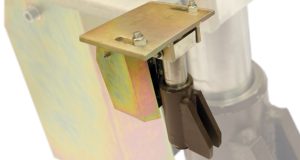
Pawl Device is a safety device with a mechanical anti-drift system. Its function is to provide greater safety in loading/unloading operations by always maintaining the cabin-floor level.
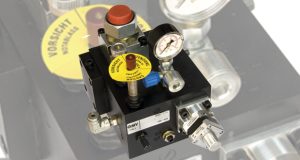
Today, electronic technology has allowed hydraulic elevators to take a great step in the field of energy efficiency, thereby reducing their consumption.