
Did you know that…the possibility of installing an elevator in space is being investigated?
NASA is investigating the possibility of laying a cable that could carry materials into orbit around the Earth at a reduced cost.
NASA is investigating the possibility of laying a cable that could carry materials into orbit around the Earth at a reduced cost.
In general, the electric elevator consumes a little less than the hydraulic one. sociology – the writing center For this reason, the electric one needs a motor with less power, but consumes
Great turnout at GMV's stand during the Ele-España'09 fair. More than 70 companies from the sector showed interest in GMV's new products.
GMV Eurolift will be present as an exhibitor at the 4th edition of ELE-Spain, which will take place from 17 to 19 June 2009 at the Fira de Barcelona.

Article updated: 21-07-2026 Summary: The domestic elevator (hydraulic or electric) is governed by the Machinery Directive 2006/42/EC, is limited to 0.15 m/s with sustained pulsation, and operates with single-phase power supply

The Emperor Titus, already in the year 80 of the Christian era, had an elevator built that worked with ropes and pulleys (designed by Archimedes) to be incorporated into the Colosseum.
One of our main objectives is to disseminate knowledge of hydraulics and promote its application in vertical transport installations that will be designed by future professionals in the sector. Reason
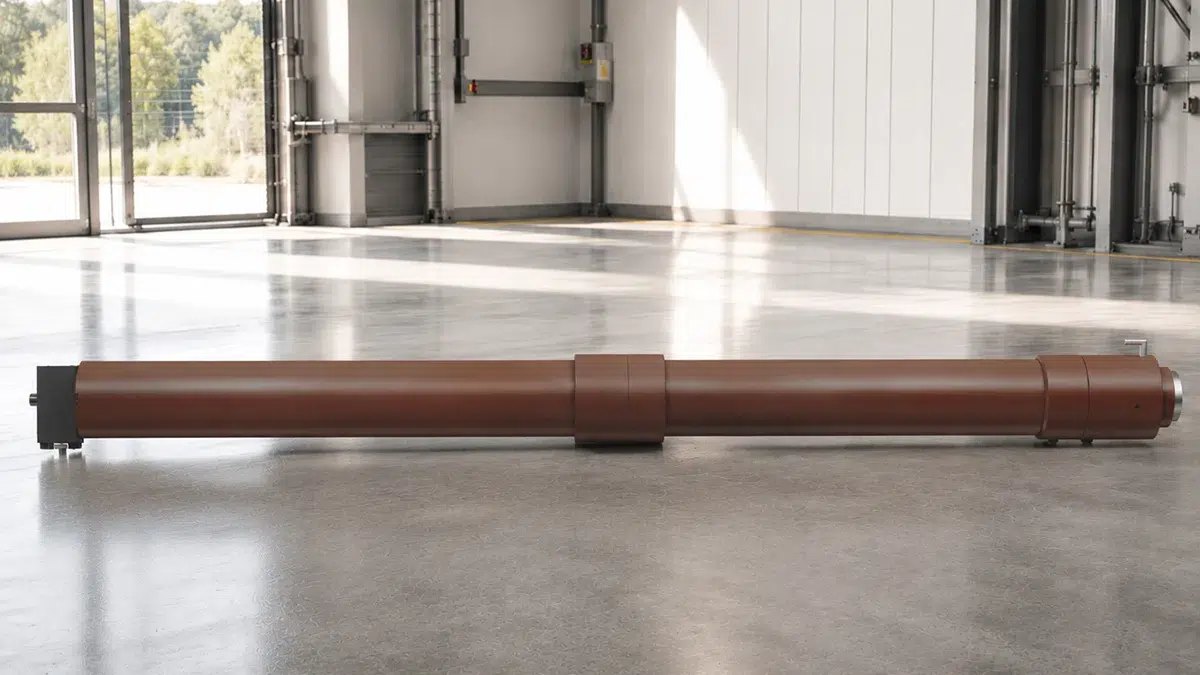
Updated article: 06-18-2026 Piston Vertical cylinder consisting of a rod (inner element subjected to vertical movement), an outer cylinder and a sleeve (space between the rod and the part

Article updated: 24-09-2026 Summary: A hydraulic elevator is a lifting system that moves the cabin with the oil pressure that a pump drives towards a piston, with the

Article updated: 02-07-2026 Summary: A hydraulic elevator consists of a hydraulic power plant (motor, pump, tank and valve assembly), conduits, piston, operating panel, technical cabinet, chassis, cab, guides and
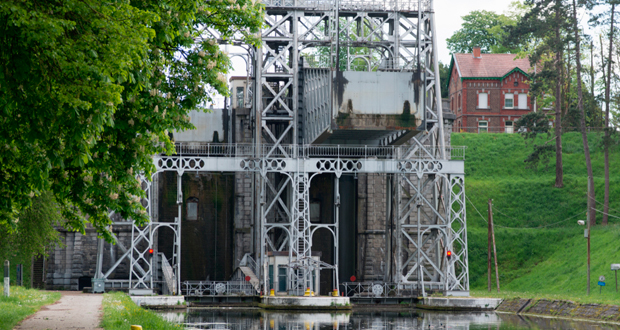
Operation The four elevators continue to operate in the same way as when they were designed, an operation that is based on the principle of communicating vessels. Each elevator is composed of

The hydraulic lifts of the Canal del Centro are a series of four hydraulic locks (hydraulic works that allow to overcome concentrated differences in level in navigable channels by raising or lowering the ships that