Advantages of mechanical synchronization telescopic piston
Telescopic pistons, which can be 2, 3 or 4 sections, have the advantage of being able to double or triple the elevator travel for the same cylinder length.
Gap: characteristics and requirements

The shaft is the space exclusively intended for the movement of the elevator and the counterweight (if it is electric), but it cannot be used for any other installation other than the elevator.
Biodegradable fluids

Due to the growing interest in the environment and new legislation, biodegradable fluids are becoming increasingly important in the lifting sector. They can be classified into 3 categories according to their base.
Aid for the installation of elevators (II)

Aid from autonomous communities and town councils
Its objective is to improve the energy efficiency of elevators by using the latest technologies and the most advanced energy-saving systems.
Grants for the installation of an elevator I
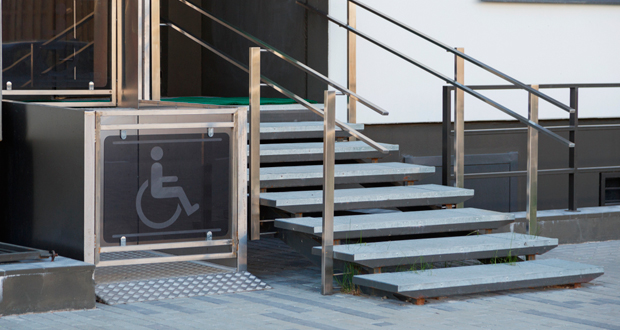
To renovate an old elevator or level out spaces that are difficult to access for people with mobility problems, autonomous communities and local councils provide subsidies.
Cavitation in hydraulic pumps: what it is, why it occurs and how to avoid it

The phenomenon of cavitation occurs when the fluid has difficulty entering (sucking) the pump suction duct, causing the pressure in this duct to drop. If the pressure is lower than the vapor pressure of the fluid itself, it will lead to the formation of bubbles.
Today we celebrate our 1st anniversary!
Yes, the blog is celebrating its 1st anniversary. It seems like it was yesterday when we published our first post, but time seems to not want to stop, and today we celebrate the 1st anniversary of the Ascensores blog.
What is a home lift, homelift or home elevator?
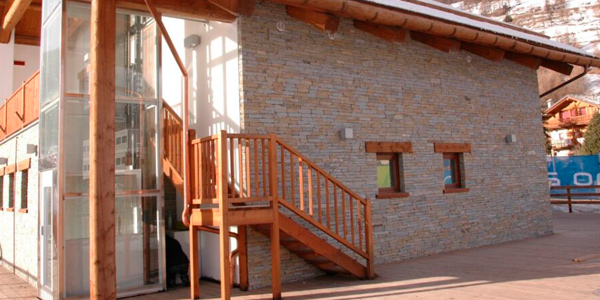
We understand Homelift to be any type of small-sized lift or single-family elevator designed to be installed in single-family homes, chalets, etc.
Can I install a hydraulic lift even if there is no machine room?
Today, thanks to technology, great advances have been made in the elimination of architectural barriers and facilitating access to buildings where the installation of an elevator was previously impossible.
The two-story houses with four apartments will have an elevator
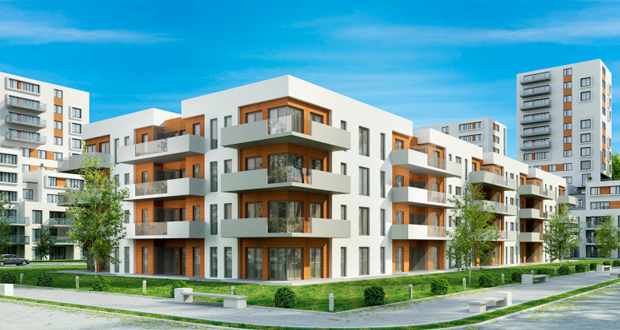
A new construction decree comes into force that imposes new measures for the construction of housing in the Valencian Community. New residential buildings with a height of more than 4.5 meters (ground floor and two floors) will have to have an elevator if they serve more than four homes.