Less is more
It's been 18 months since the Blog Elevators was born, and since then every Friday we publish an article about hydraulic elevators and related topics. Now we will publish the articles every two weeks.
It's been 18 months since the Blog Elevators was born, and since then every Friday we publish an article about hydraulic elevators and related topics. Now we will publish the articles every two weeks.
The swash plate is a component located on the top of the piston, and its main function is to join the cabin and the rod. In the case of direct action installations (1:1), this joint must be flexible.
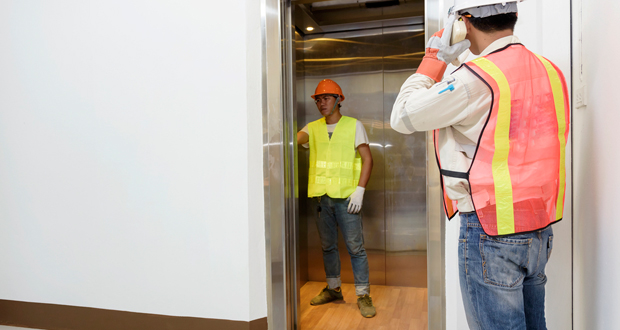
40% of the elevator fleet on the market today are installations that are more than 20 years old, most of which need to be modernized in order to comply with the new regulations and directives in force (2006/42/EC, in force since December 2010).
Archimedes' Principle: states that a fluid exerts a large force (lift) on an object placed in the fluid. The force is equal to the weight of the fluid displaced by the object.
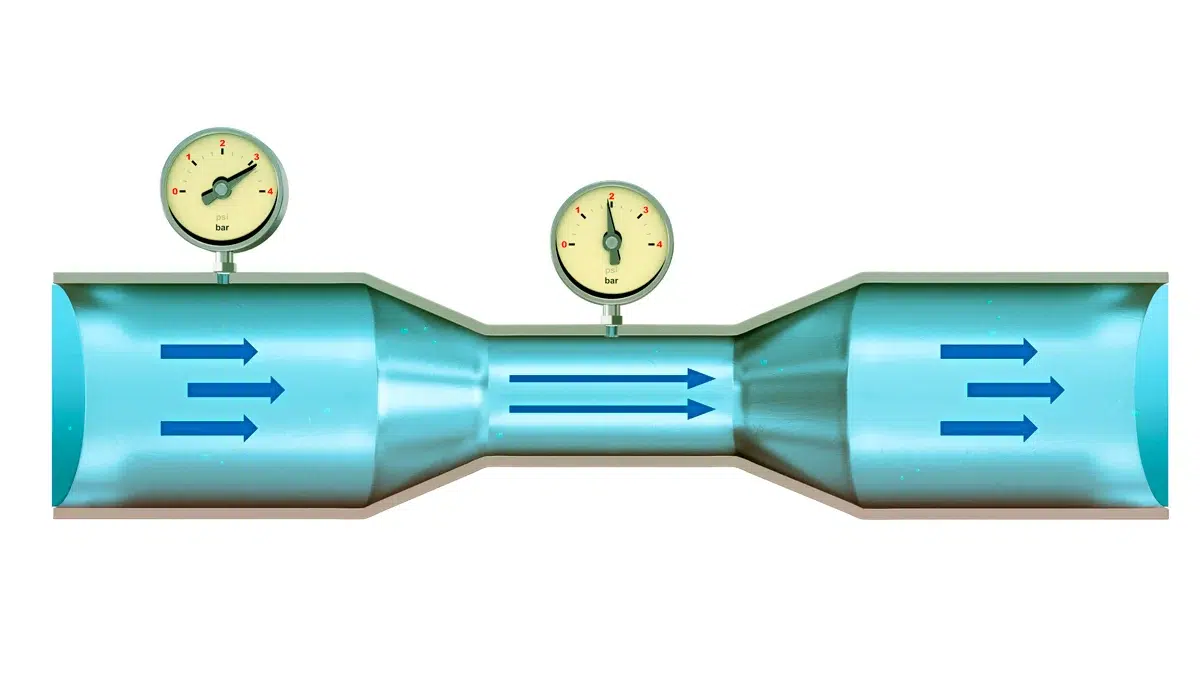
Hydromechanics is the branch of physics that deals with the forces acting on fluids (liquids and gases). Hydromechanics is divided into hydrodynamics, which studies fluids in motion; and hydrostatics, which studies fluids at rest.
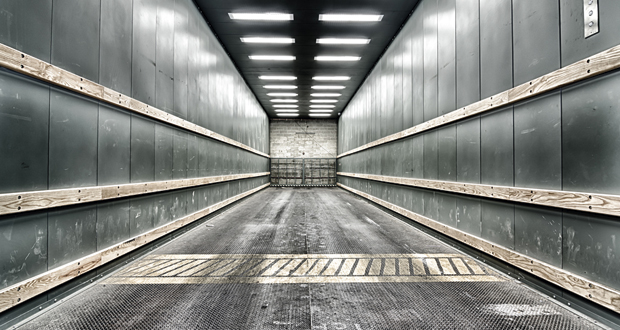
Other safety devices used in heavy load installations, such as forklifts, are access doors, limit switches, etc.
The elevator must be operated from a panel located on any floor (door button panel), and each floor must have a button to redirect to the other floors.
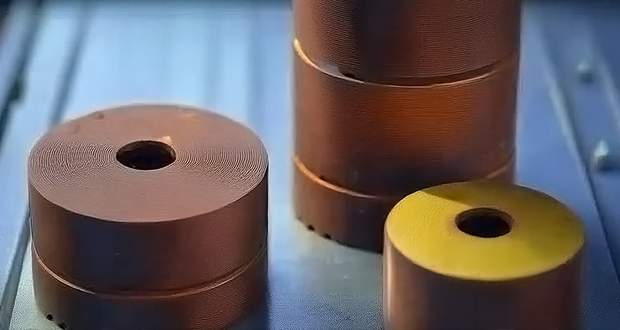
According to EN 81.1, there are three types of shock absorbers: energy storage, energy storage with return motion damping, and energy dissipation.
What are they?
Shock absorbers (buffers in English) are an organ designed to serve as a deformable end-of-travel stop and consist of a fluid or spring braking system (or other equivalent device).
Telescopic pistons designed and manufactured for operation in hydraulic lifts require higher standards than those used industrially.
Telescopic pistons, which can be 2, 3 or 4 sections, have the advantage of being able to double or triple the elevator travel for the same cylinder length.
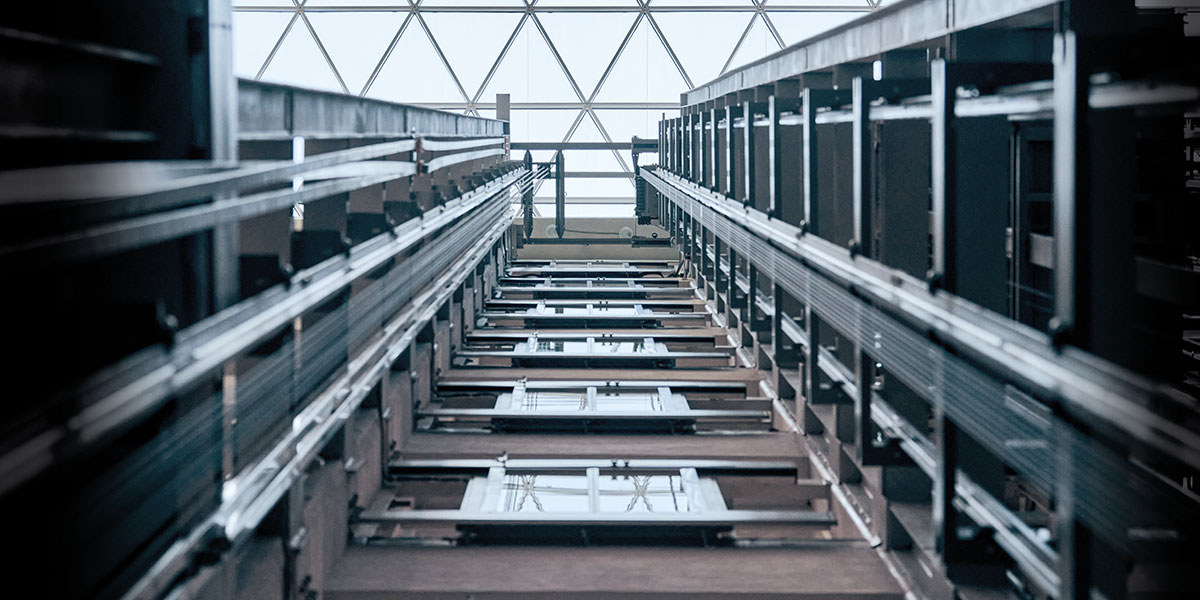
The shaft is the space exclusively intended for the movement of the elevator and the counterweight (if it is electric), but it cannot be used for any other installation other than the elevator.